Published May 10, 2026 05:00AM
NPS Wants to Open Up Hunting in These National Park Sites
From lifting alligator hunting bans in Louisiana to allowing loaded weapons near popular Colorado hiking trails, the Department of the Interior’s new directive is dismantling decades of safety-first conservation. Former National Park Service leaders are sounding the alarm.
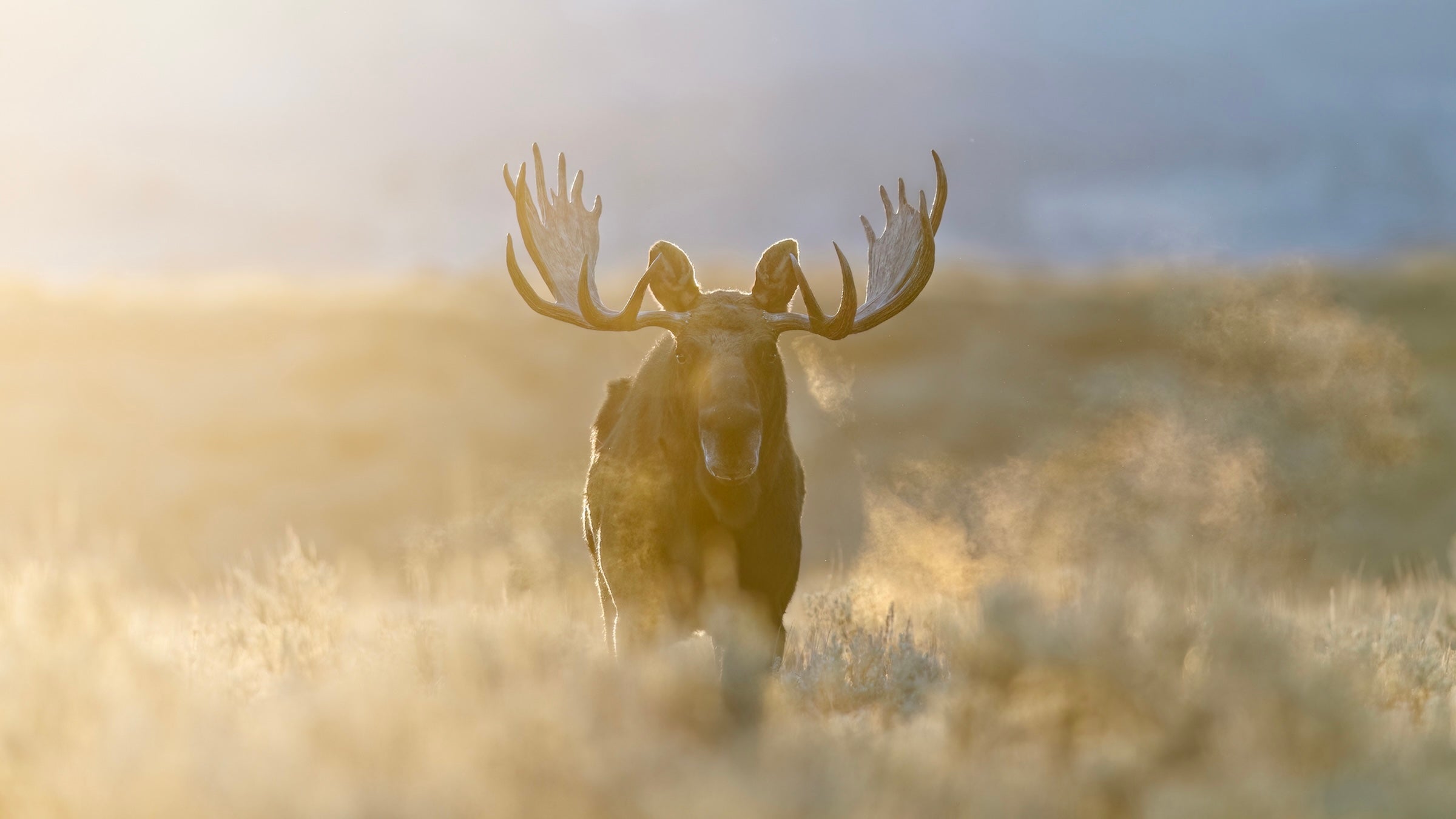
An estimated 56 National Park Service sites could be impacted by the order (Photo: Scott Suriano/Getty Images)
Once banned at almost every National Park Service (NPS) site, hunting is set to return to several dozen NPS areas in 2026, documents show.
On May 4, The New York Times reported that the Trump administration directed the Department of the Interior (DOI) to immediately relax restrictions on hunting and trapping at NPS sites, including national recreation areas, wildlife refuges, and other public lands. The Times cited an internal DOI memo, dated April 21, from Interior Secretary Douglas Burgum, that also planned to unwind hunting bans at additional sites later in 2026.
The National Parks Conservation Association, a conservation advocacy nonprofit, told Outside that at least 15 parks and preserves had their hunting restrictions immediately loosened by the directive. Another 40 could see restrictions eased in the near future, an NPCA spokesperson said.
“What it seems like, from the outside looking in, is maybe they weren’t getting barriers removed fast enough,” Stephanie Adams, wildlife program director for the NPCA, told Outside. “Now this memo went out, and it directed a number of superintendents to get rid of things unless they could absolutely justify them.”
Some of these sites include Florida’s Big Cypress National Preserve, Cape Cod National Seashore in Massachusetts, and other iconic public areas like Glen Canyon and Lake Mead National Recreation Areas in Arizona. Marquee national parks such as Yellowstone, Yosemite, and the Grand Canyon still prohibit hunting and trapping, the Times reported.
The rollback extends hunting access across many federally protected areas, potentially changing how these parks are managed and experienced. Supporters say the move increases recreational hunting opportunities and aligns park policies with state wildlife management.
ADVERTISEMENT
“[The order] advances a commonsense approach to public land management by expanding access to hunting and fishing opportunities where it can be done safely and responsibly,” the DOI told Outside. “For decades, sportsmen and women have been some of the strongest stewards of our public lands, and this order ensures their access is not unnecessarily restricted by outdated or overly broad limitations that are not required by law.”
Critics, however, worry the changes will impact wildlife conservation, visitor safety, and the traditional preservation mission of national parks. And the shift could permanently alter America’s protected public lands.
“The changes include getting rid of language that puts restrictions on shooting across or towards trails at Curecanti in Colorado,” Stephanie Adams, NPCA wildlife program director, told Outside. “It could also mean removing the prohibition on hunting during the summer beach season at Cape Cod National Seashore.”
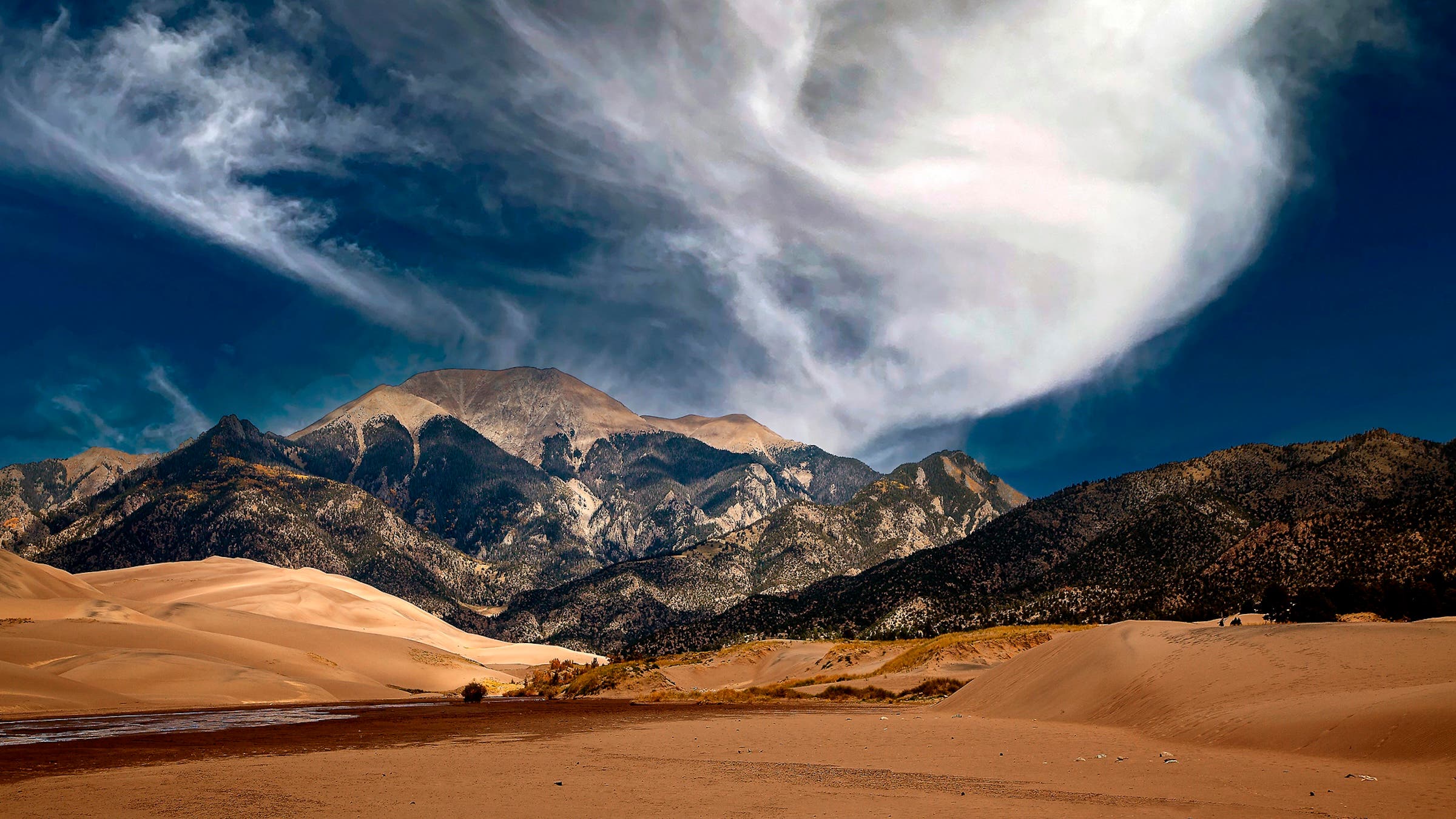
Changes Could Impact At Least 55 NPS Sites Nationwide
Adams told Outside that the memo seems to be a follow-up to the January 7 Secretarial Order 3447, commanding superintendents to “identify and remove unnecessary regulatory or administrative barriers to hunting and fishing.”
The move comes amid sweeping changes already underway across our public lands, including severe cuts to the NPS, the relocation and restructuring of the U.S. Forest Service, and the loosening of restrictions on oil and gas drilling in the Gulf of Mexico.
Already, regulators at Louisiana’s Jean Lafitte National Historical Park and Preserve lifted a ban on reptile hunting. In Tennessee’s Obed Wild and Scenic River, hunters no longer need an NPS-issued permit to hunt hogs.
ADVERTISEMENT
Prior to the memo, a number of NPS sites allowed some type of hunting. These include national preserves, recreation areas, monuments, grasslands, seashores, and Wild and Scenic rivers. Historically, a patchwork of rules and regulations has governed hunting in these areas. According to the Times, Burgum’s memo ordered that any hunting closures and restrictions not required by state law must now be stripped to the “minimum necessary for public safety or resource protection.”
Changes Already Reported
As of this publication, the NPCA tracked publicly documented changes at the following locations:
- Big Cypress National Preserve, Florida
- Big Thicket National Preserve, Texas
- Canaveral National Seashore, Florida
- Cape Cod National Seashore, Massachusetts
- Curecanti National Recreation Area, Colorado
- Gulf Islands National Seashore, Alabama, Mississippi, and Florida
- Jean Lafitte National Historic Park, Louisiana
- Katahdin Woods and Waters National Monument, Maine
- Lake Meredith National Recreation Area, Texas
- Mississippi National River and Recreation Area, Mississippi
- Missouri National Recreational River, Nebraska and South Dakota
- Obed Wild and Scenic River, West Virginia
- Oregon Caves National Preserve, Oregon
- Padre Island National Seashore, Texas
- Timicuan Ecological and Historic Preserve, Florida
Former Park Staff Are Sounding the Alarm
A growing number of former NPS officials are sounding the alarm about the new policy. Dan Wenk, a 43-year NPS veteran who was a superintendent at Mount Rushmore and Yellowstone, says the mandate goes too far. He told Outside that the issue is not necessarily that rules are being changed, but the way they’re being done.
“These are rules that were put in place because they were felt to be necessary for visitor safety and resource protection,” Wenk said. “They weren’t put in in a cavalier manner, and they shouldn’t be taken out in a cavalier manner.”
Elaine Leslie served for 22 years as chief of the NPS Biological Resources Division and currently sits on the executive council of the Coalition to Protect America’s National Parks. She said that forcing superintendents to slash rules in secret sets a dangerous precedent.
“These Secretarial Orders undermine the processes, laws, and policies that are put in place in good faith and through thoughtful analysis,” she said. “Park superintendents are being asked to skirt these processes, and while some may find legitimate reasons to remove so-called ‘obstacles,’ it must be said that many are fearful of their jobs if they do not provide what the Secretary and Administration want to hear.”
ADVERTISEMENT
Wenk and Lesli agree that hunting, fishing, and trapping have a place in national park sites, but stripping safety buffers without public input and scientific review is the wrong approach.
“We are not trying to say hunting shouldn’t happen on these lands,” Adams said. “Hunters are really important partners. We just want to make sure that if changes are happening in park management, it’s happening in an open and clear manner, and that the public is able to understand why these changes are being made, and hopefully have a way to engage in these decisions.”
These changes represent a shift in how the NPS prioritizes safety and experience for hunters and hikers. While the 55 potentially affected sites have long permitted hunting in some capacity, specific guardrails traditionally kept those activities separate from general recreation.
“Catering to one group or another compromises access and the experience for others,” Leslie said.
The Following 40 National Park Sites Could Also Be Impacted
- Amistad National Recreation Area, Texas
- Apostle Islands National Lakeshore, Wisconsin
- Assateague Island National Seashore, Maryland and Virginia
- Bighorn Canyon National Preserve, Montana and Wyoming
- Big South Fork National River and Recreation Area, Kentucky and Tennessee
- Bluestone National Scenic River, West Virginia
- Buffalo National River, Arkansas
- Cape Hatteras National Seashore, North Carolina
- Cape Lookout National Seashore, North Carolina
- Chickasaw National Recreation Area, Oklahoma
- City of Rocks National Reserve, Idaho
- Craters of the Moon National Preserve, Idaho
- Cumberland Island National Seashore, Georgia
- Water Gap National Recreation Area, New Jersey and Pennsylvania
- Fire Island National Seashore, New York
- Gateway National Recreation Area, New Jersey and New York
- Gauley River National Recreation Area, West Virginia
- Glen Canyon National Recreation Area, Arizona and Utah
- Great Egg Harbor Wild and Scenic River, New Jersey
- Great Sand Dunes National Preserve, Colorado
- Hagermann Fossil Beds National Monument, Idaho
- John D. Rockefeller Memorial Parkway, Wyoming
- Lake Chelan National Recreation Area, Washington
- Lake Mead National Recreation Area, Arizona and Nevada
- Lake Roosevelt National Recreation Area, Washington
- Little River Canyon National Preserve, Alabama
- Mojave National Preserve, California
- New River Gorge National River, West Virginia
- Niobrara Scenic River, Nebraska
- Ozark National Scenic Riverway, Missouri
- Pictured Rocks National Lakeshore, Michigan
- Point Reyes National Seashore, California
- Rio Grande Wild and Scenic River, Texas
- Ross Lake National Recreation Area, Washington
- Sleeping Bear Dunes National Lakeshore, Michigan
- St. Croix National Scenic Riverway, Minnesota and Wisconsin
- Tall Grass Prairie National Preserve, Kansas
- Upper Delaware Scenic and Recreational River, New York and Pennsylvania
- Valles Caldera National Preserve, New Mexico
- Whiskeytown National Recreation Area, California
